 by in
by in
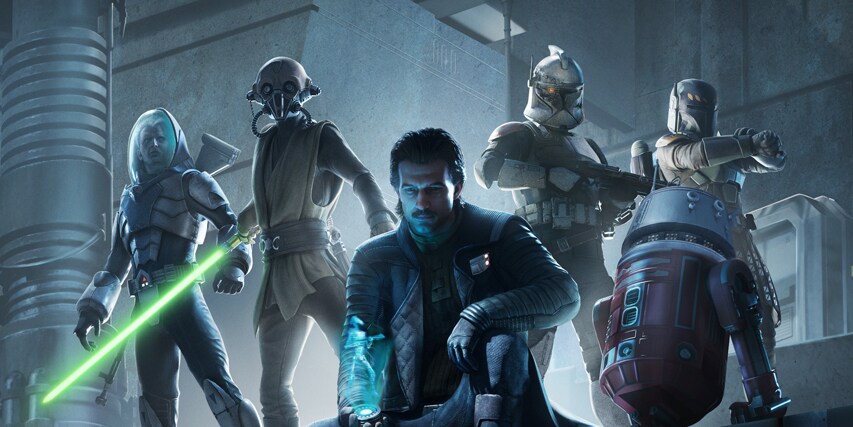
The evolution of Star Wars video games has often been a delicate balancing act between the “civilized” philosophy of the Jedi and the mechanical demands of a blockbuster action game. While the films emphasize that a Jedi uses the Force for knowledge and defense, never for attack, the gameplay loops of the last three decades have frequently transformed these peacekeepers into high-volume combatants.
The Ludonarrative Dissonance of the Lightsaber
The primary culprit in this transition is the gap between story and gameplay—often called ludonarrative dissonance. In a cutscene, a protagonist like Cal Kestis or Luke Skywalker may mourn the loss of life or speak of mercy. However, the moment the player regains control, they are incentivized (and often required) to mow down hundreds of Stormtroopers, droids, and local fauna to reach the next objective.
- Power Fantasy vs. Lore: The lightsaber is established in lore as a weapon of last resort. In gaming, it is a “glow-stick of death” designed to provide satisfying haptic feedback.
- XP Systems: By tying character progression to “enemies defeated,” games mechanically reward the player for seeking out conflict rather than resolving it through Jedi-like diplomacy or stealth.
The “God Complex” of Force Powers
As technology progressed, so did the lethality of Force abilities. Early titles featured simple pushes or stuns, but modern titles have pushed the envelope of “heroic” behavior.
| Game Series | Action | The “Murderer” Shift |
| Jedi Knight | Force Grip/Lightning | Allowed players to use Dark Side powers while remaining “Light Side” heroes. |
| The Force Unleashed | Force Repulse/Impale | Positioned the hero as a literal wrecking ball, disintegrating entire squads. |
| Jedi: Survivor | Environmental Kills | Encourages using the Force to pull TIE fighters into crowds or pushing enemies off cliffs. |
While these mechanics are undeniably fun, they strip away the “defensive” nature of the Jedi. When a hero pulls a screaming scout trooper into their blade, the line between a Jedi Knight and a Sith Lord becomes razor-thin.
Narrative Justification: The “Necessary Evil”
Writer’s rooms have attempted to address this by framing the violence as a survival tactic. In the Jedi: Fallen Order series, the hero is an insurgent. The narrative suggests that because the Empire is an existential threat, the high body count is a “necessary evil” for the survival of the Light.
However, this creates a paradox: if a hero must kill thousands to preserve a philosophy that forbids killing, is the philosophy actually being preserved?
Breaking the Cycle
A few titles have experimented with moving away from the “murderer” archetype:
- KOTOR (Knights of the Old Republic): Provided “Pacifist” or “Diplomacy” routes in certain quests, allowing the player to talk their way out of a bloodbath.
- Republic Commando: Focused on squad tactics and military objectives, where lethal force felt contextually appropriate for soldiers rather than spiritual monks.
The Future of the Galaxy
For Star Wars games to truly align with the themes of the films, the industry may need to look toward non-lethal mechanics. Systems that emphasize parrying to disarm, using the Force for misdirection (Mind Trick), or stealth-based evasion could allow players to feel like a Jedi without the staggering body count.
Until then, our digital heroes remain in a strange limbo: symbols of hope in the dialogue, and the most feared entities in the galaxy on the battlefield.